
August Organisational Newsletter
Aug 01, 2026
August: Responding to cultural context.
Hello there!
Last month, I had the opportunity to host one of our Asian Mental Health Practitioner meetups in Sydney. These are held across Melbourne and Sydney three times per year to bring our 120+ network of private practitioners together for connection and chats.
Even though this was a social catchup, I'm always amazed at how practitioners give up their own time to learn from one another, reflect on their work and strengthen the care they provide to our multicultural and migrant communities.
During the meetup, I shared something that I've been noticing:
💡As public conversations around race, migration and belonging become louder and, at times, more divisive, many people in our communities are beginning to feel the shift. Even before these conversations directly affect someone's daily life, they can influence a person's sense of safety, belonging and willingness to seek support.
For those of us working in mental health, this is an important reminder that people don't present to our services in isolation. The broader social environment shapes how safe they feel, how they interpret our intentions and whether they choose to engage at all.
As demand for culturally responsive care continues to grow, the need to continually seek and understand community feedback and insights will also grow, to ensure that the care you provide is responsive to both the individual's culture and the cultural context that we find ourselves in today.
If you're looking for tangible ways to connect with the community or further deepen your culturally-responsive practice in these shifting times, please don't hesitate to reach out to us by replying to this email. We'd love to support your work.
Cheers,
Asami
🌱 Important dates and festivals this month
Some important cultural festival and dates this month include:
August 6: Hiroshima Day. A day of remembrance dedicated to the victims of the atomic bombing of Hiroshima. It is observed internationally to advocate for nuclear disarmament and global peace.
August 9: Nagasaki Day. A day of remembrance honoring the victims of the atomic bombing of Nagasaki.
August 9: International Day of the World's Indigenous Peoples. A day to raise awareness about the needs of indigenous populations worldwide, celebrating their achievements, diverse cultures, and roles in global environmental protection.
August 17–26: Onam. A major harvest festival celebrated primarily by the people of Kerala, India. It honors the mythical King Mahabali and is marked by flower carpets (pookalam), traditional feasts (sadya), and vibrant boat races.
August 28: Raksha Bandhan. A traditional Hindu festival celebrating the bond of love and protection between brothers and sisters. Sisters tie a sacred thread (rakhi) around their brothers' wrists, receiving gifts and a promise of lifelong protection.
How will your organisation be marking these important dates this month? Feel free to reach out to us if you'd like some ideas!
🦉 Research perspectives to strengthen your culturally-responsive practice:
A study in China explored how physical (somatic) symptoms, such as pain or fatigue, relate to suicidal thoughts in adults with major depression. Researchers followed 1,274 patients over 72 weeks and found that more severe physical symptoms significantly increased the risk of suicidal thoughts. This relationship was not influenced by severity of depressive/anxiety symptoms, medication use, and other sociodemographic variables.
What does this mean for clinicians and the community?
Routine somatic symptom assessments for those experience major depressive disorder are crucial, as severe physical symptoms significantly increase suicide risk. Earlier identification of these somatic symptoms may be able to improve depression outcomes and suicide prevention.
Reflective prompt:
How often are you considering physical/somatic symptoms of distress alongside behavioural/emotional symptoms? Have you noticed any cultural influences/differences when working with diverse clients experiencing somatic symptoms?
You're welcome to reach out to us by replying to this email, if you'd like some perspective on this.
💡Our new recorded training is live.
The new professional standards for psychologists have been established and a core element of this shift is to embed cultural competency throughout all aspects of practice. As the leading voice for Asian mental health in Australia, we can support you to meet these requirements in regards to the largest culturally diverse community in Australia.
After supporting organisations like headspace Syndal and Elsternwick, Monash Youth Services and The Australasian Genetic Counsellors Society in 2025, we have now launched a recorded version of our train our core training for you to begin right now.
Ready to learn more? Click the link here!
🔎 Connect with our new therapists.
Our Asian Australian mental health practitioner list introduces you to private practitioners who are skilled in supporting the Asian community's mental health needs.
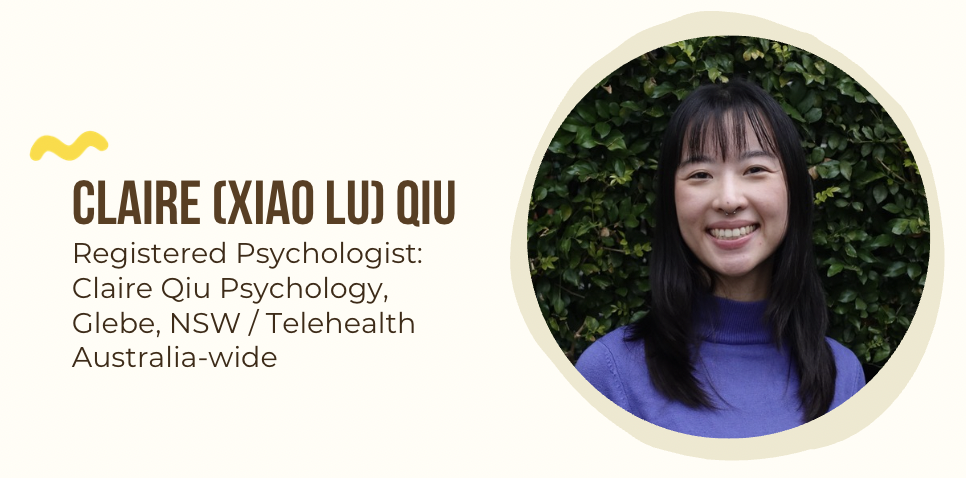
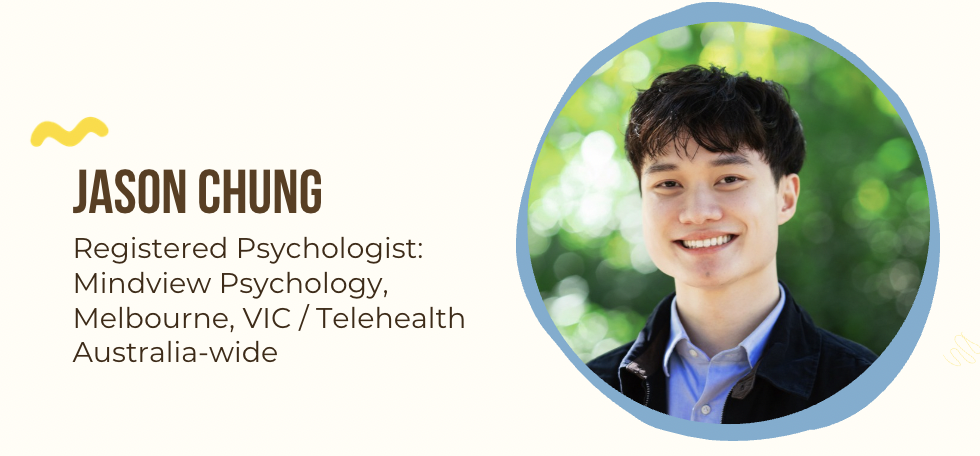
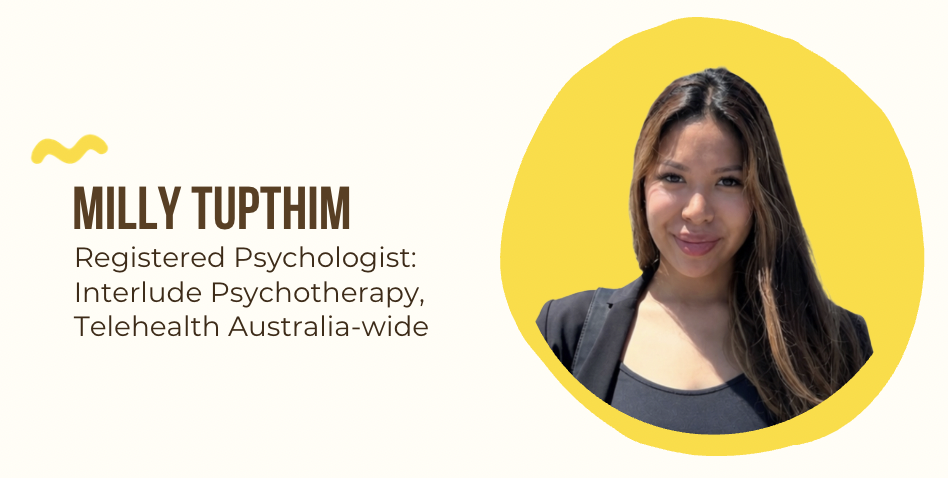
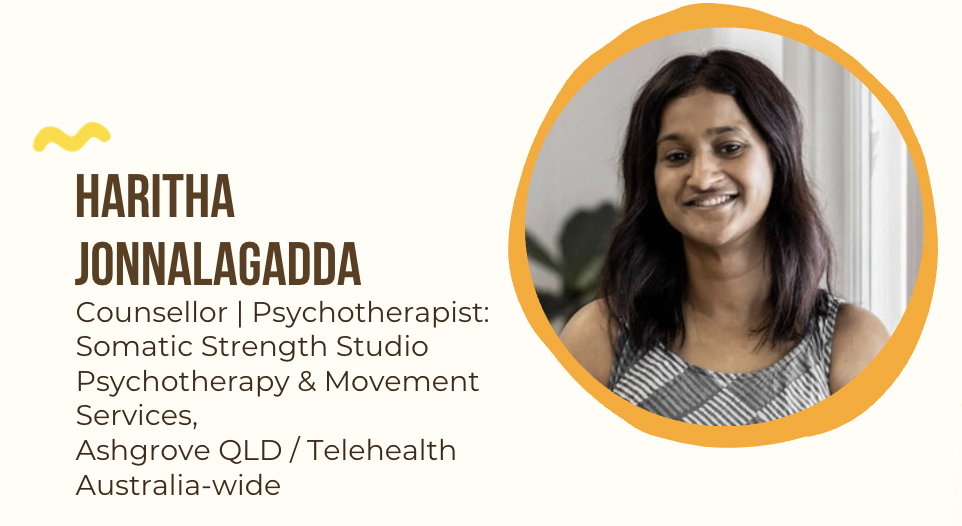
Our private practitioners are available for referrals. Please contact them directly via their profile HERE.
🐌 And last but not least:
Recently on Linkedin,
We shared our practitioner interview with registered psychologist Shelby Lim. Read our interview with them HERE.
💡For community members:
We created the "Essential Guide for Asian Australian Mental Health" by surveying over 350 Asian Australians during Covid-19 lockdowns.
Download our guide and learn about the three most pertinent areas of concern for the Asian community, with tips and strategies to support you through.
🤝For mental health service providers:
Shapes and Sounds supports mental health organisations and teams to feel confident and resourced in providing culturally-responsive care to the Asian community in Australia.
Download our information pack to learn more.