
Growing Up Asian Australian: Culture, Identity & Mental Health
Feb 10, 2026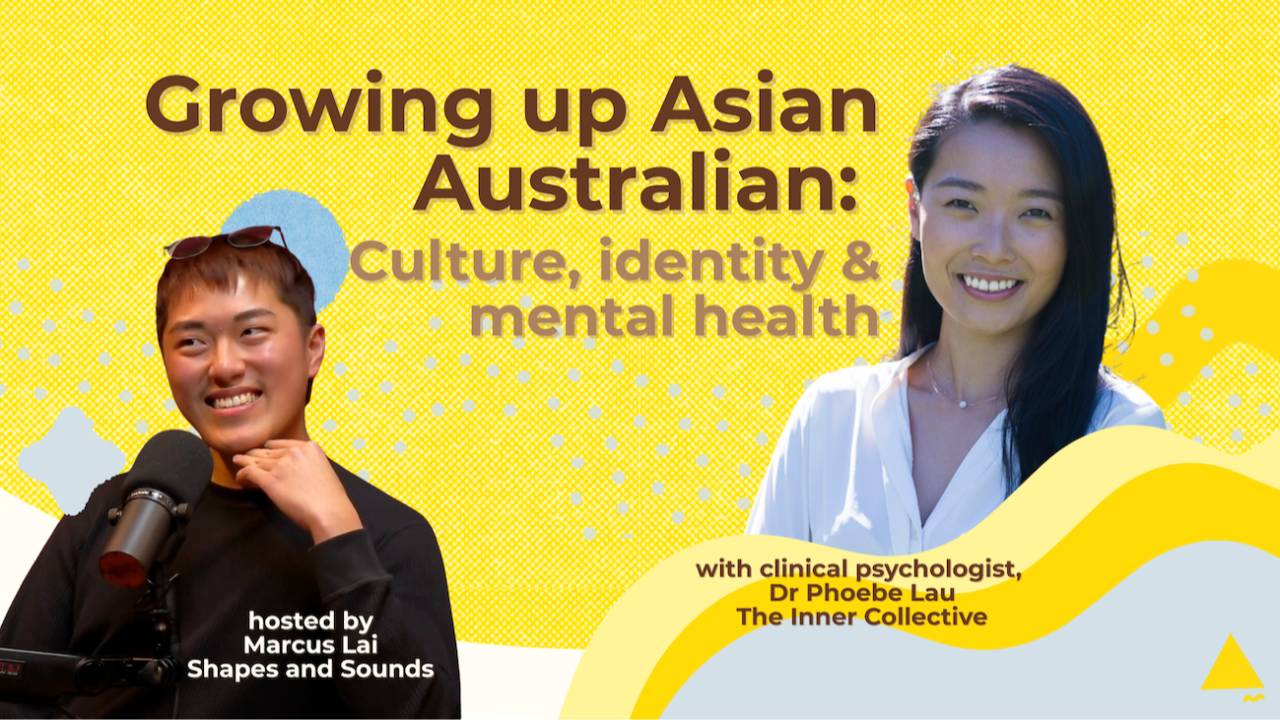
“People often come in with anxiety or depression, but culture is sitting underneath.”
Growing up Asian Australian often means living between cultures: balancing family expectations, identity, belonging, and varying approaches to caring for our mental health in ways that aren’t always visible to others.
In our latest video, we’re honoured to feature Dr Phoebe Lau, Clinical Psychologist and Director of The Inner Collective, for an honest conversation about culture, identity, and mental health from both a personal and professional perspective.
Phoebe shares her experience growing up as an Asian Australian in the 1990's (think: Pauline Hanson's debut), navigating pressure to assimilate, complex cultural identities, and what it means to now hold these questions as a parent now raising a mixed-heritage child.
Her reflections capture what many of us feel but rarely hear spoken aloud: culture is not static, simple, or one-dimensional... it’s evolving, layered, and deeply personal.
When culture sits underneath mental health
In her clinical work, Phoebe sees many clients who present with anxiety, depression, relationship stress, or burnout but beneath these experiences often sit cultural expectations, intergenerational pressure, and a strong sense of duty to family.
She speaks about how Asian Australians may struggle with:
-
Navigating parental expectations while building independent adult lives
-
Balancing cultural identity at home, work, and in relationships
-
Feeling torn between personal needs and cultural obligations
These experiences don’t always show up explicitly as “cultural issues” in therapy, yet they strongly shape how distress is felt, expressed, and managed.
Identity across generations
A particularly powerful part of this conversation explores parenting across cultures. Phoebe reflects on the importance of being intentional about which cultural values to pass on, which to leave behind, and how to avoid positioning one culture as “better” than another.
This nuanced approach resonates strongly with many Asian Australians, whether they're parents themselves, adult children reflecting on their upbringing, or people simply trying to make sense of their identity across generations.
The importance of culturally responsive care
Phoebe also shares why cultural responsiveness is central to her practice at The Inner Collective. The team works with people across diverse cultural identities, including Asian Australians, migrants, neurodivergent clients, and LGBTQIA+ communities, using a trauma-informed lens that recognises how lived experience shapes mental health.
At Shapes and Sounds, we’re proud that The Inner Collective is a long-standing partner on our Asian Mental Health Practitioner List. Their values around inclusion, accessibility, and culturally responsive care closely align with our mission to bridge the gap between Asian communities and mental health services in Australia.
Watch the full conversation below
This video is for:
-
Asian Australians navigating identity and mental health
-
Migrants and diaspora communities
-
Anyone curious about how culture shapes emotional wellbeing
-
Mental health practitioners seeking deeper cultural insight
👉Connect with The Inner Collective here!
👉Find Phoebe and other Asian therapists on the Asian mental health practitioner list.
Shapes and Sounds is a certified social enterprise supporting Asian mental health in Australia. Through conversations like this, we aim to make mental health more accessible, culturally relevant, and grounded in lived experience.
💡For community members:
We created the "Essential Guide for Asian Australian Mental Health" by surveying over 350 Asian Australians during Covid-19 lockdowns.
Download our guide and learn about the three most pertinent areas of concern for the Asian community, with tips and strategies to support you through.
🤝For mental health service providers:
Shapes and Sounds supports mental health organisations and teams to feel confident and resourced in providing culturally-responsive care to the Asian community in Australia.
Download our information pack to learn more.