
Surviving vs Thriving: Reflections on Filipino mental health
Jul 28, 2026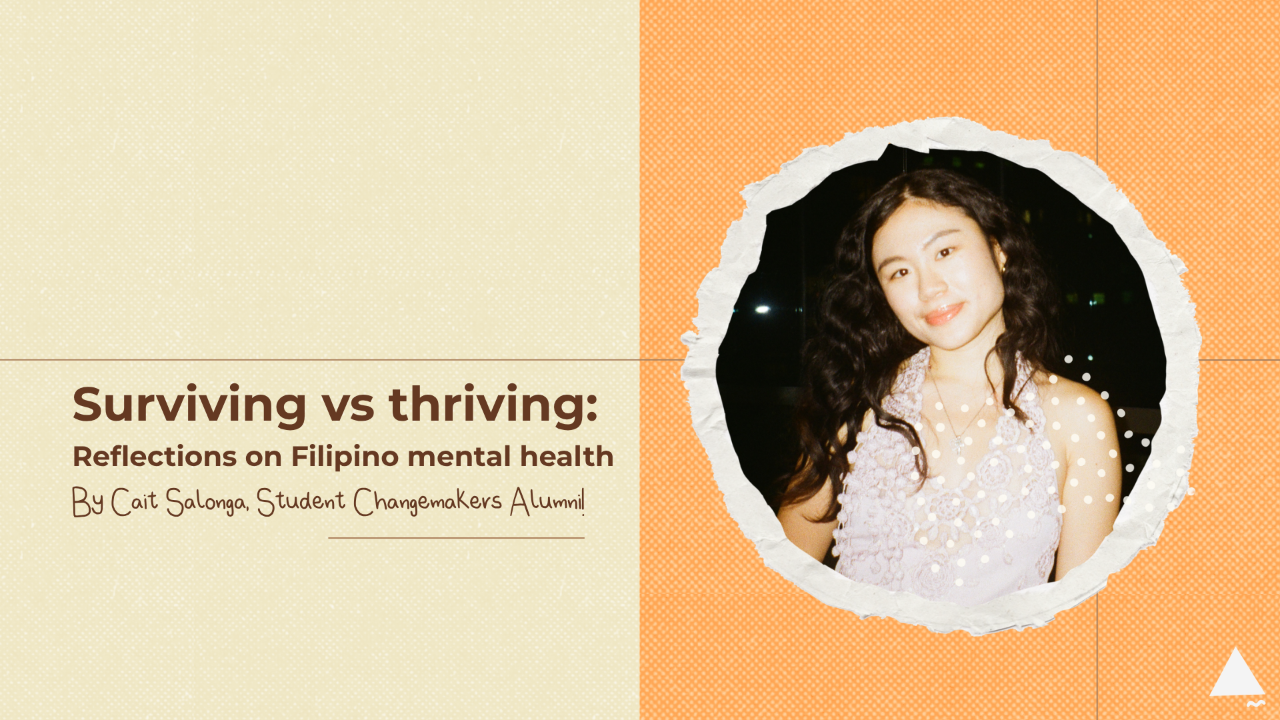
To many Filipinos, mental health isn’t about thriving; it’s simply surviving.
Hi everyone! I'm Cait, a young Filipino studying psychology in Melbourne and an alumni of the Student Changemakers program. Alongside my interview on episode 38 of the Asian Mental Health podcast, I wanted to share some more reflections about my experience and Filipino mental health in this blog post.
💡If you'd like to learn more, please checkout my podcast episode HERE!
~
Growing up in the Philippines, I recall the hubbub of Metro Manila. Waking up extra early to beat
traffic was nothing special. It was the strange, exhausting feeling of sitting inside a car for a
loooong time while staring out to see a conundrum of students, office workers and pedestrians
scramble across each other amidst honking cars, jeeps and poorly regulated traffic stops.
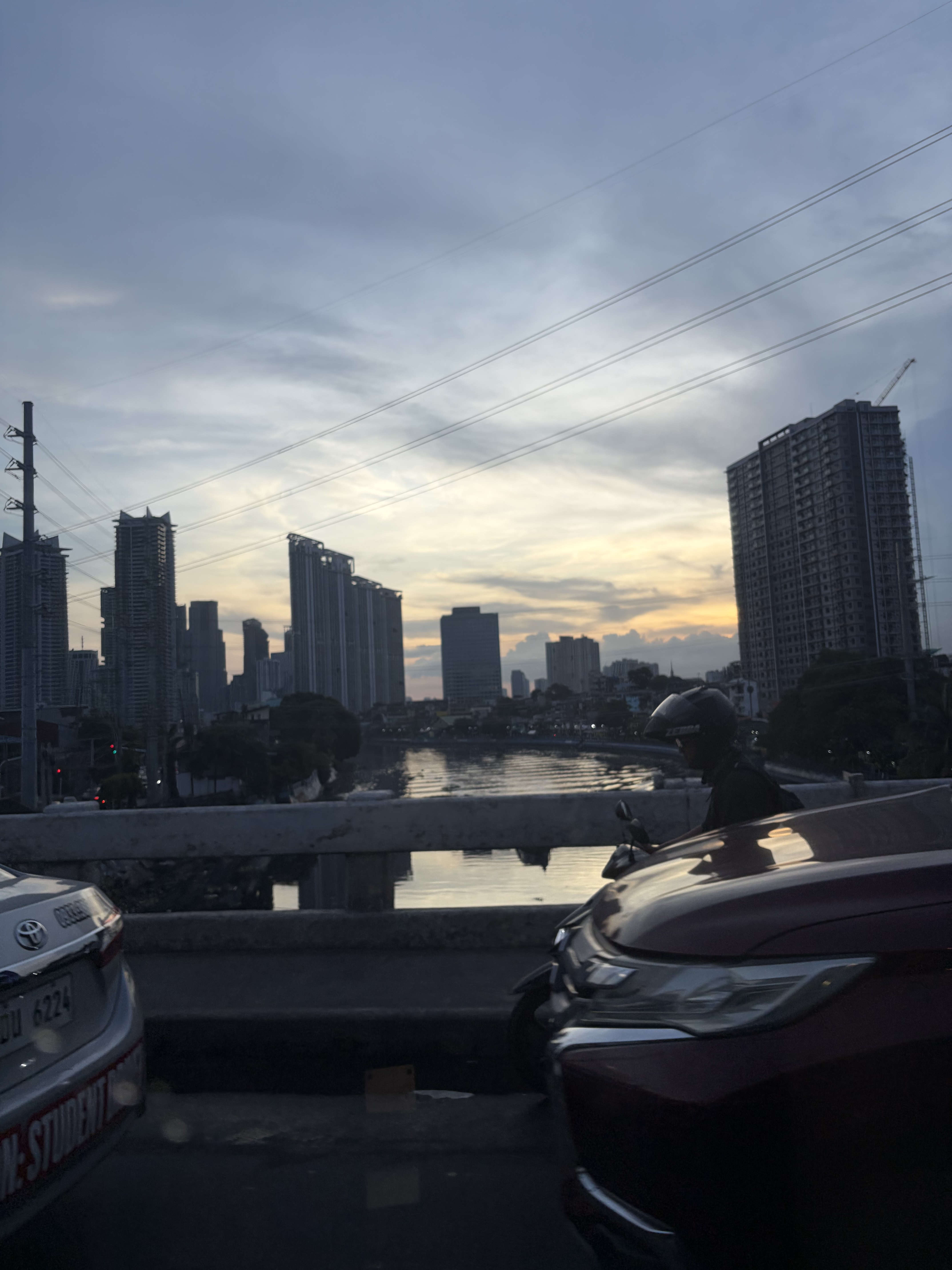
It was satisfying to be indoors with air conditioning, yet nothing about being in a car amidst this daily
mess felt comforting. Every day was the same, yet everything felt wrong.
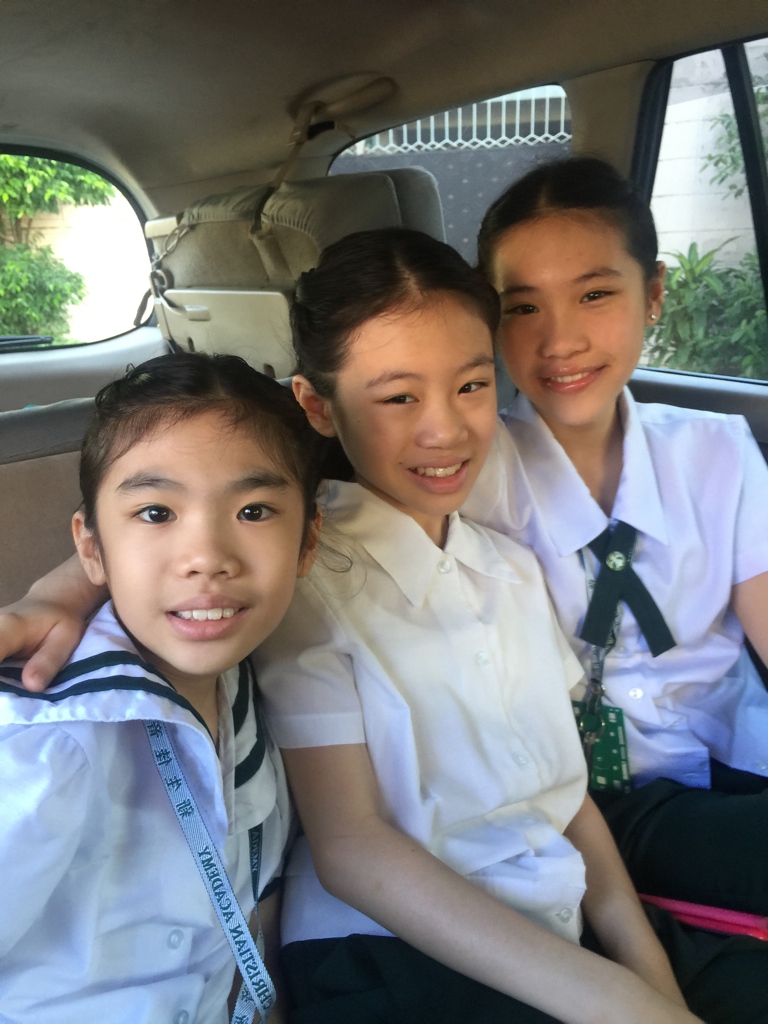
The daily norm of traffic and poor infrastructure is well tolerated by many Filipinos, not because
we want it. Rather, structures and institutions persistently fail us, preventing change. And these
things creep into us, slowly and surely.
Imagine being a young student wanting to meet people.But because traffic and safety are of great concern to your household, you end up feeling isolated and lonely.
Imagine being a Filipina office worker who is not only the breadwinner of her family, but has to commute home in the dark every day, fearing for her safety.
Imagine you are a young person who is distressed. You have no green spaces to run to or friends to visit when you seriously need a chat. You may even be desperate for therapy, but because you’d have to tell your parents to get there, it doesn’t feel worth.
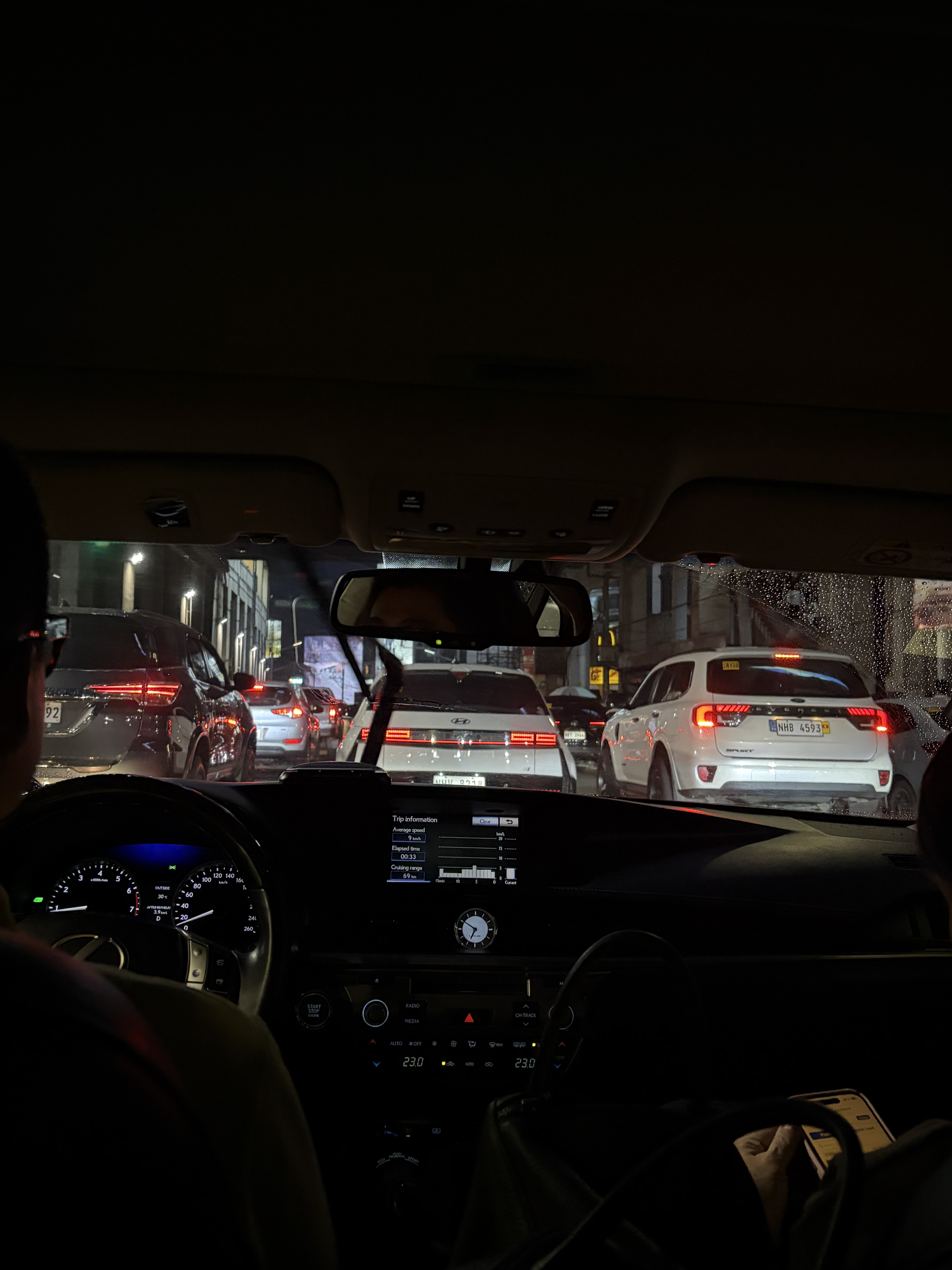
These imagined vignettes of everyday Filipinos may very well be real, because some are indeed
stories shared with me.
I come from a position of both passion and privilege to advocate for the mental health of Filipinos back home.
Filipino mental health cannot be easily subsumed into the carcass of Western mental health. Filipino mental health is deeply social and political, and I believe it is time to decolonise how mental health is framed.
At the same time, I think of imagined vignettes because research on Filipino mental health is
simply insufficient.
The academe ought to consider Filipinos because we contribute immensely to the health and wellbeing of people globally! Filipino migrants leave their homes and families to see other people thrive, yet many choose this path to survive.
Again, mental health for many Filipinos is survival and we want to see that change. Why shouldn’t Filipinos have the option to thrive, too?
~
💡Interested in this conversation? Learn more about Cait and Filipino mental health over on episode 38 of the Asian Mental Health podcast HERE!
💡For community members:
We created the "Essential Guide for Asian Australian Mental Health" by surveying over 350 Asian Australians during Covid-19 lockdowns.
Download our guide and learn about the three most pertinent areas of concern for the Asian community, with tips and strategies to support you through.
🤝For mental health service providers:
Shapes and Sounds supports mental health organisations and teams to feel confident and resourced in providing culturally-responsive care to the Asian community in Australia.
Download our information pack to learn more.